Travel & Sports Leisure
The intersection of travel and sports leisure represents one of the most rewarding ways to explore the world while maintaining physical vitality and mental well-being. Whether you’re chasing powder on distant mountain ranges, competing in international marathons, or simply seeking destinations that complement your active lifestyle, this field demands a unique blend of logistical planning, physical preparation, and risk awareness that traditional tourism rarely requires.
Active sports travel presents distinct challenges that separate it from conventional vacations. The need to maintain performance levels while navigating unfamiliar environments, managing equipment across borders, adapting to climate extremes, and ensuring adequate safety coverage creates a complex puzzle that many enthusiasts struggle to solve. This comprehensive resource addresses the fundamental pillars of successful active travel, from initial trip design through emergency preparedness, providing the knowledge foundation you need to transform athletic aspirations into safe, fulfilling adventures.
Planning Your Active Adventure: Beyond Traditional Tourism
Effective active travel begins with understanding that your journey serves a fundamentally different purpose than relaxation-focused vacations. The concept of physical recharging through movement contradicts the conventional “rest and recovery” vacation model, yet research consistently demonstrates that active displacement—traveling with physical activity as a primary component—delivers superior psychological benefits including reduced anxiety, enhanced creativity, and sustained energy levels upon return.
Matching Destinations to Your Fitness Profile
The most common planning error involves selecting destinations based on aspirational fitness levels rather than current capabilities. A realistic assessment requires honest evaluation across three dimensions:
- Cardiovascular endurance: Can you sustain moderate activity for the planned duration without excessive fatigue?
- Technical skill level: Does the activity require proficiency you’ve genuinely mastered, or are you overestimating transfer from related sports?
- Altitude and climate tolerance: Have you tested your body’s response to similar environmental conditions?
Mountain biking in high-altitude desert terrain, for instance, demands entirely different physiological adaptations than coastal trail running, despite similar cardiovascular fitness levels. Consider a progression approach: test yourself in accessible locations that mirror your target destination’s demands before committing to remote or technically challenging environments.
The Minimalist Packing Framework
Weight directly impacts performance in active travel scenarios. The methodology for packing light centers on the versatility coefficient—each item should serve multiple functions. A merino wool base layer works as sleepwear, an insulating layer, and casual wear. Technical pants convert to shorts. Your packing list should ruthlessly eliminate single-purpose items except for critical safety equipment.
Apply the 5-4-3-2-1 rule for week-long trips: five pairs of underwear, four pairs of socks, three bottoms, two tops, one jacket. Supplement with activity-specific gear and plan to wash items mid-trip. This framework typically reduces pack weight by thirty to forty percent compared to conventional packing approaches.
Nutrition Strategies While Traveling
Maintaining performance nutrition in unfamiliar food environments requires advance planning. Research local cuisine to identify naturally occurring high-protein, complex-carbohydrate options that align with your training diet. Many athletes make the mistake of completely abandoning nutritional discipline during travel, creating energy crashes precisely when physical demands peak.
Portable nutrition supplements become essential: electrolyte tablets, protein powder in individual servings, and dense-calorie options like nut butters or energy bars fill gaps when local options fall short. Schedule eating times around activity windows, prioritizing pre-activity fuel two to three hours before exertion and recovery nutrition within thirty minutes of completion.
Mastering Seasonal and Environmental Challenges
Passionate outdoor athletes face a pivotal decision when seasons change: abandon favorite activities for months, accept indoor alternatives, or adapt techniques and expectations to continue pursuing their sport in challenging conditions. Each approach carries distinct trade-offs in skill development, injury risk, and psychological satisfaction.
Understanding Cold Weather Physiology
Your body’s reaction to cold involves sophisticated mechanisms that dramatically impact performance. Peripheral vasoconstriction—the narrowing of blood vessels in extremities—preserves core temperature but reduces fine motor control and increases injury susceptibility in fingers and toes. Simultaneously, cold air breathing can trigger exercise-induced bronchoconstriction in susceptible individuals, limiting oxygen uptake precisely when demands increase.
Acclimatization occurs over seven to fourteen days of consistent exposure. During this adaptation period, expect fifteen to twenty percent performance reduction compared to temperate conditions. Plan training loads accordingly, resisting the temptation to compensate for perceived sluggishness by increasing intensity—this combination frequently leads to overtraining or cold-related injuries.
The Strategic Layering System
Effective layering clothing follows a three-tier principle, but successful implementation requires understanding the dynamic nature of active exertion. The common error involves wearing appropriate layers at activity start, then failing to adjust as body heat production increases, leading to excessive sweating that saturates insulation and creates dangerous cooling during rest periods.
- Base layer: Moisture-wicking synthetic or merino wool that moves perspiration away from skin
- Insulation layer: Fleece or down that traps warm air while allowing moisture vapor to escape
- Shell layer: Wind and water-resistant outer that protects from environmental conditions while remaining breathable
Begin activities slightly cold—if you’re comfortable standing still, you’ll overheat within minutes of movement. Carry layers in an accessible pack, and develop the habit of adjusting before you feel uncomfortable rather than reacting to excessive heat or cold.
Weather Transition Hazards
Changing weather conditions present the highest risk scenarios in outdoor sports. Rapid temperature drops, unexpected precipitation, or sudden wind increases can transform manageable conditions into survival situations within thirty minutes. The critical skill involves recognizing early warning signs and making conservative decisions before conditions deteriorate significantly.
Establish predetermined turnaround criteria before starting any activity: specific times, weather thresholds, or physical indicators that trigger immediate return regardless of proximity to goals. This pre-commitment strategy removes dangerous in-the-moment rationalization when summit fever or competitive drive clouds judgment.
Safety and Risk Management in Remote Environments
Uncontrolled wilderness environments demand a fundamentally different safety approach than managed recreational facilities. The absence of immediate rescue, communication challenges, and unpredictable variables require participants to function as their own first responders, often for extended periods before professional help arrives.
Signal Versus Noise in Decision Making
Wilderness judgment requires distinguishing between genuine hazard signals and the constant background noise of minor discomforts inherent to outdoor activities. True warning signals—persistent pain that worsens with movement, sudden weather deterioration, equipment failure affecting safety systems—demand immediate attention and often route modification or abandonment.
Noise includes expected discomfort: minor muscle fatigue, light precipitation, slower-than-anticipated pace. The dangerous pattern emerges when participants dismiss genuine signals as mere noise, particularly in group settings where social pressure to continue overrides individual caution. Cultivate the habit of explicit verbalization: speak concerns aloud to the group, forcing conscious evaluation rather than internal dismissal.
Emergency Bivouac Essentials
An unplanned overnight stay represents one of the most common wilderness emergencies, yet few recreationalists carry adequate emergency shelter. The methodology for emergency bivouacs centers on the survival priority hierarchy: shelter, water, signaling, with food ran
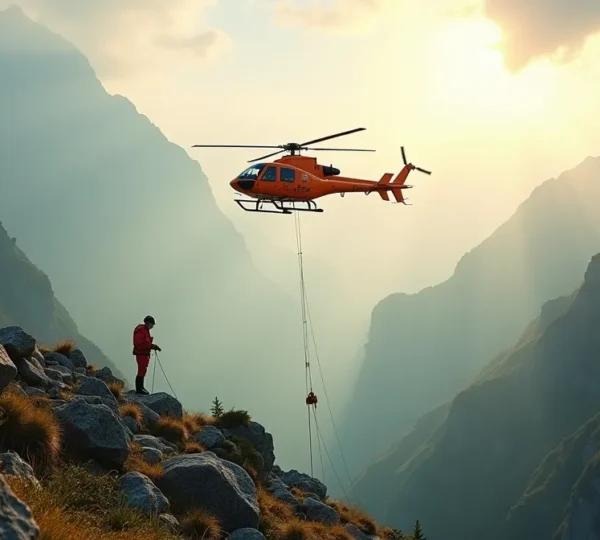
Adventure Travel Insurance: Why Your Standard Policy Won’t Cover Helicopter Rescue?
A standard travel insurance policy is a contract designed to limit the insurer’s liability; it is not a blanket safety net for adventurous activities. Most policies contain ambiguous “high-risk” activity exclusions and insufficient medical evacuation caps that do not cover…
Read more
Racecations: How to Plan Travel Around a Marathon Without Ruining Performance?
In summary: Treating your travel as a logistical final phase of training, not a vacation, is the key to protecting your performance. Proactively manage physiological stressors like circadian rhythm disruption and gut sensitivity with a precise plan. Maintain absolute control…
Read more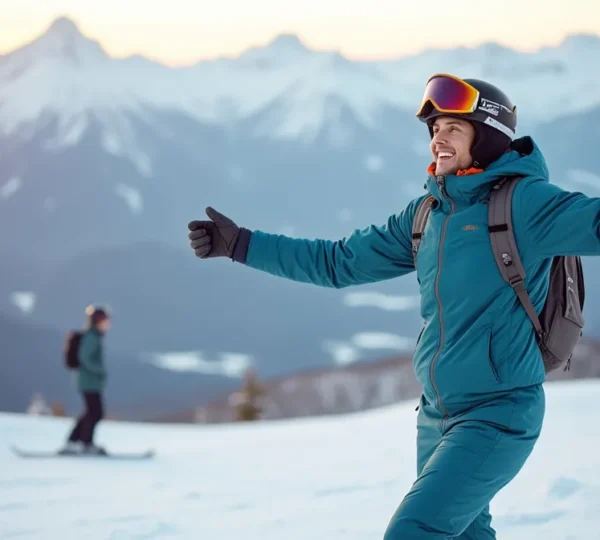
Adult Beginners: How to Learn Snow Sports Without Fear of Breaking Bones?
Contrary to popular belief, the key to learning snow sports as an adult isn’t being fearless—it’s learning how to fall smart. Understanding the physics of relaxation when you fall is the single most effective way to prevent injury. Strategic protective…
Read more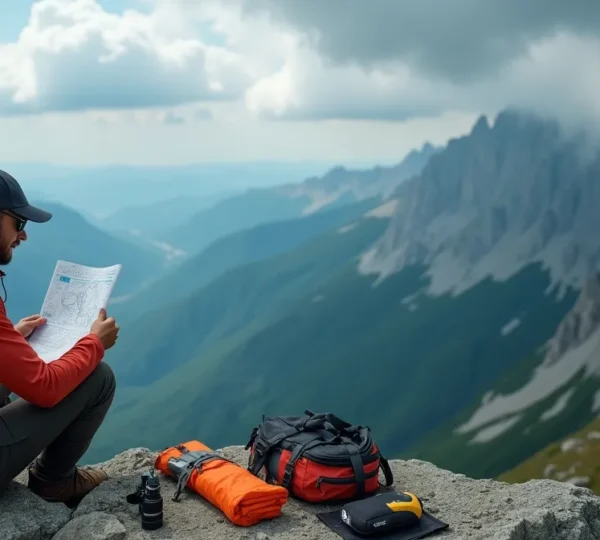
Wilderness Risk Management: A Strategic Guide for Uncontrolled Environments
Your physical fitness from the gym is insufficient for the objective dangers of the wilderness; true survival depends on mental frameworks, not just gear. Most wilderness emergencies stem from a chain of poor decisions, not a single catastrophic event or…
Read more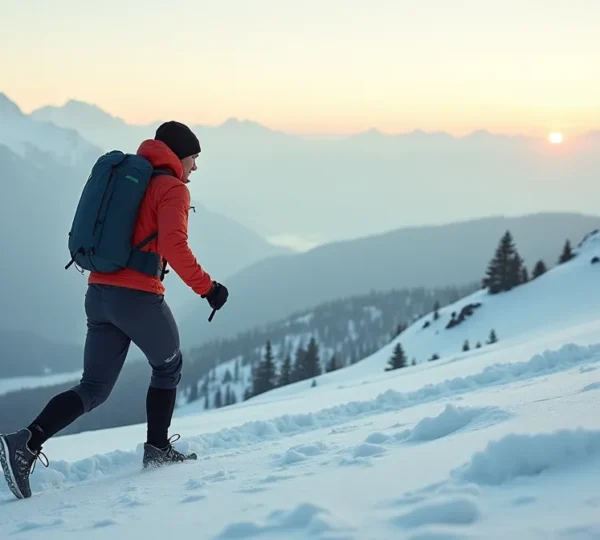
Adapting Your Outdoor Sport for Winter Conditions Without Losing Motivation
In summary: Your body works harder in the cold due to physiological responses like vasoconstriction, making smart preparation essential. A dynamic three-layer system (base, mid, shell) is the key to managing sweat and staying warm during high-output activities. Strategic planning…
Read more
How to Plan an Active Vacation That Actually Recharges Your Energy Levels?
The secret to a recharging active vacation isn’t managing your time; it’s mastering your personal energy budget. Most active trips fail because they treat energy as an infinite resource, leading to burnout from physical, mental, and logistical drains. A successful…
Read more